Cancer Survivorship: Life After Treatment and Tips for Recovery

Learn about cancer survivorship, life after cancer treatment, survivor tips, follow-up care, and support resources for living as a cancer survivor.
Targeted Therapy in Cancer Treatment — A New Era of Precision
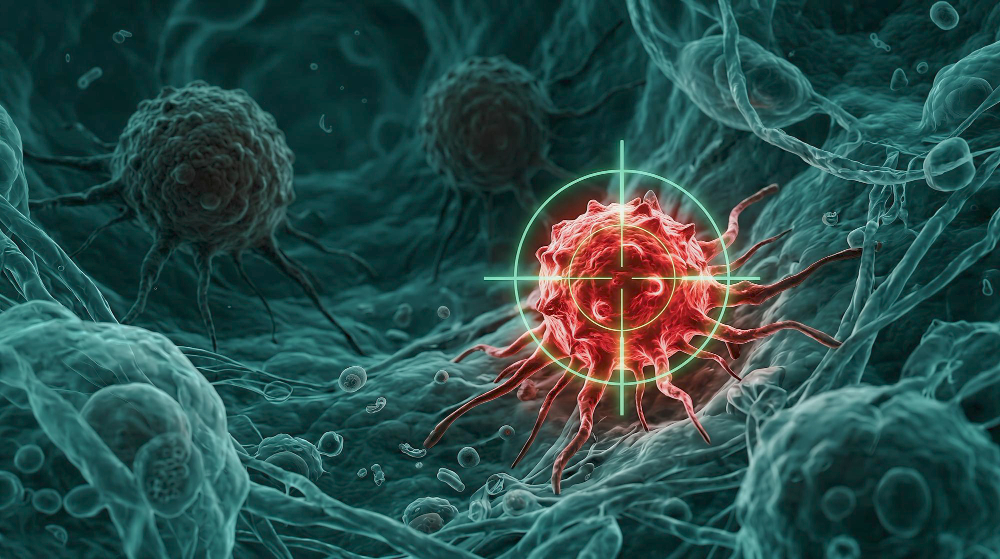
Learn how targeted therapy in cancer treatment offers precise, effective care. Discover its benefits, types, side effects, and future in oncology.
Skin Cancer — Recognising Melanoma & Other Types Early
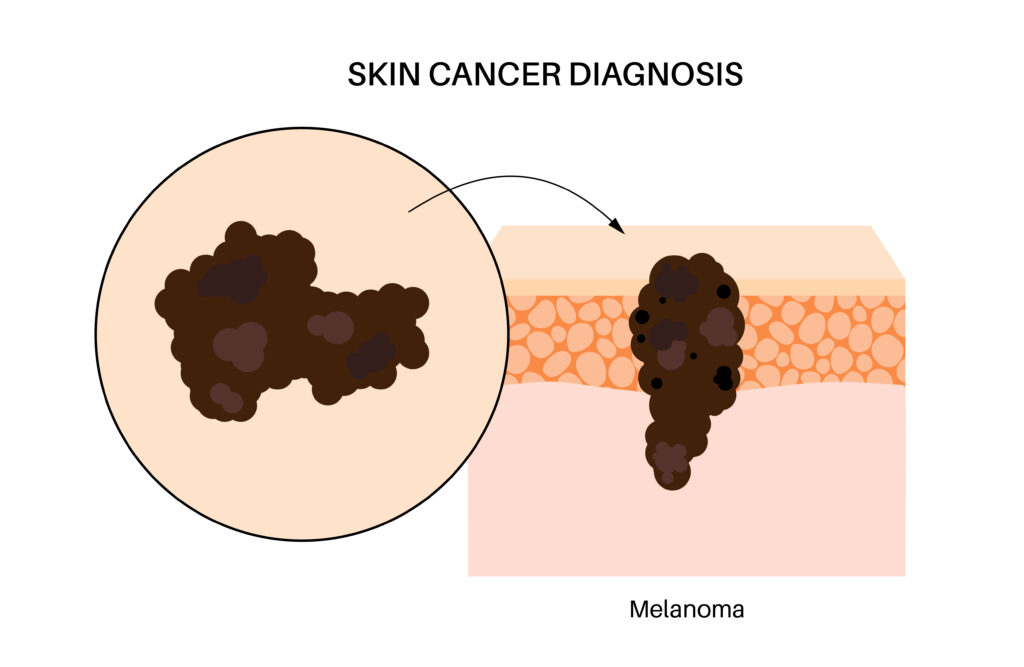
Learn about skin cancer recognition, early signs of melanoma, symptoms, prevention tips, and when to see a doctor. Spot skin cancer early for better outcomes.
Stomach (Gastric) Cancer — Causes, Symptoms & Treatment
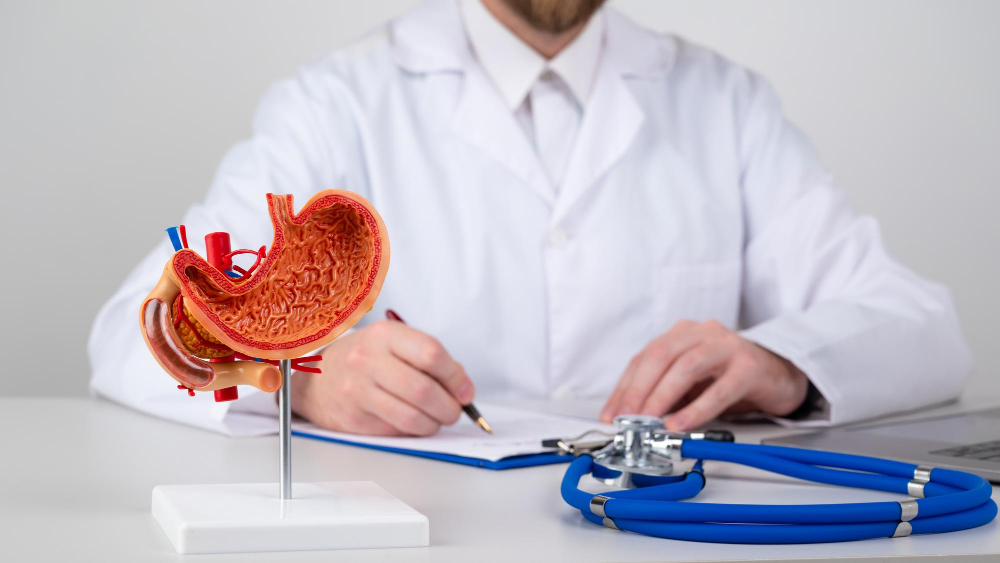
What is Stomach (Gastric) Cancer? Stomach cancer, also called gastric cancer, is a disease where cells in the stomach grow out of control. The stomach is an org
Lung Cancer: Risk Factors and Life-Saving Screenings
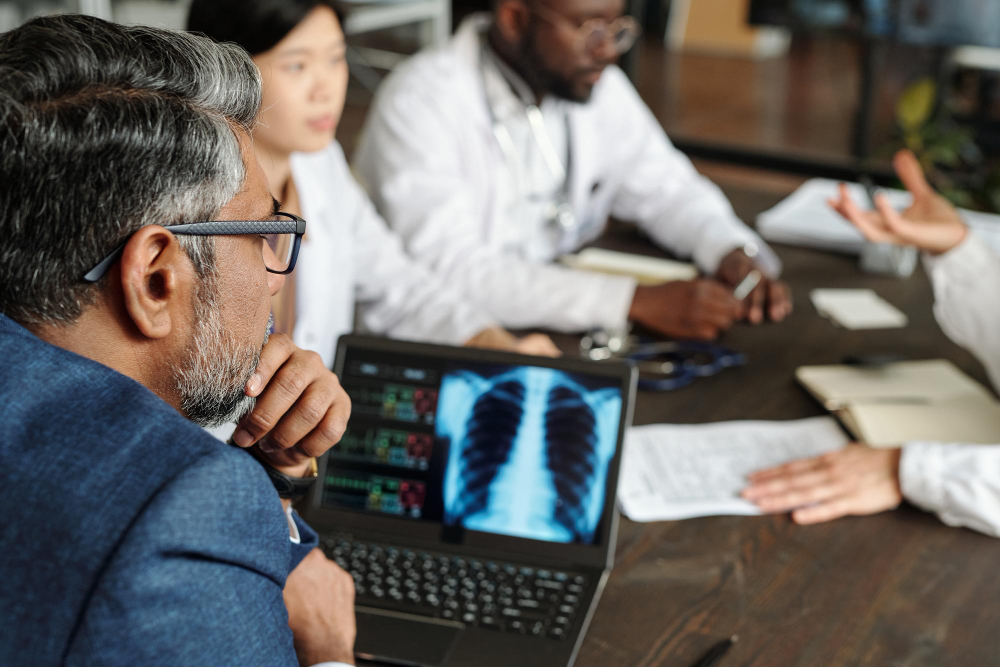
Introduction Lung cancer is one of the most common cancers worldwide. It causes more deaths than any other cancer. Because of this, knowing about lung cancer ri
The Importance of Regular Cancer Screenings: Early Detection Saves Lives
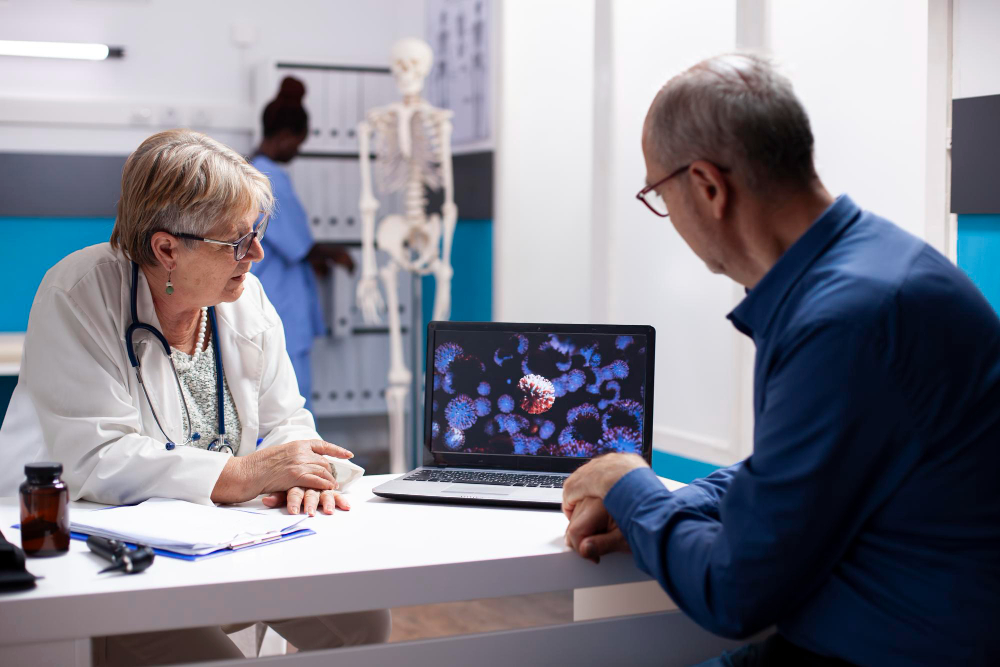
Learn why regular cancer screenings matter, common types, who should get screened, and how early detection can save lives. Stay proactive about your health.
Understanding the Role of Genetics in Cancer Risk
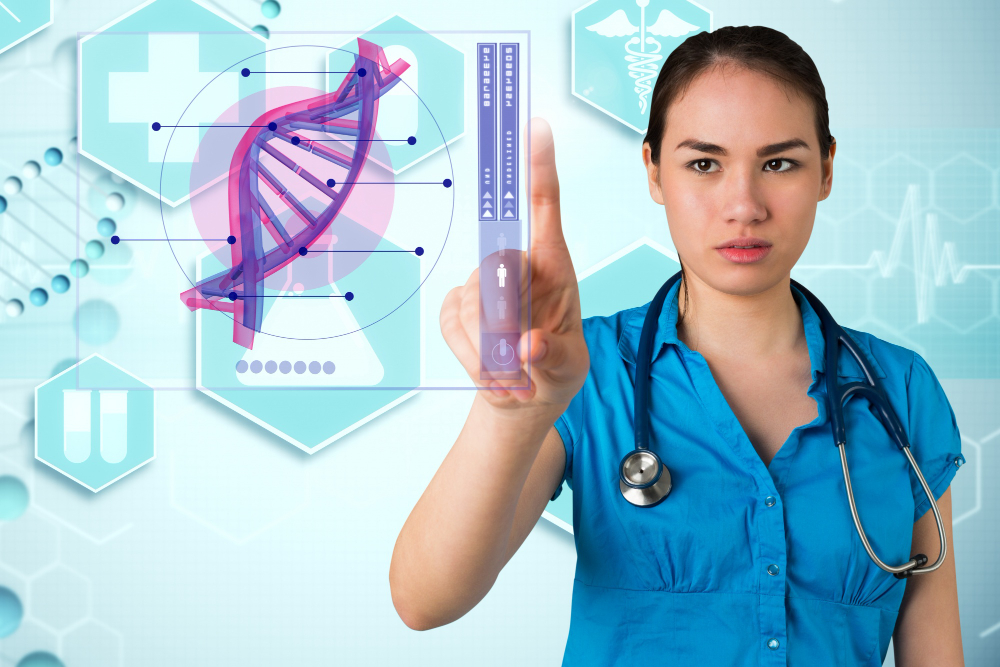
Introduction Cancer is a disease that can affect anyone. However, the role of genetics in cancer risk is important to understand. Some people inherit changes in
Chemotherapy vs. Radiation: Choosing the Right Treatment
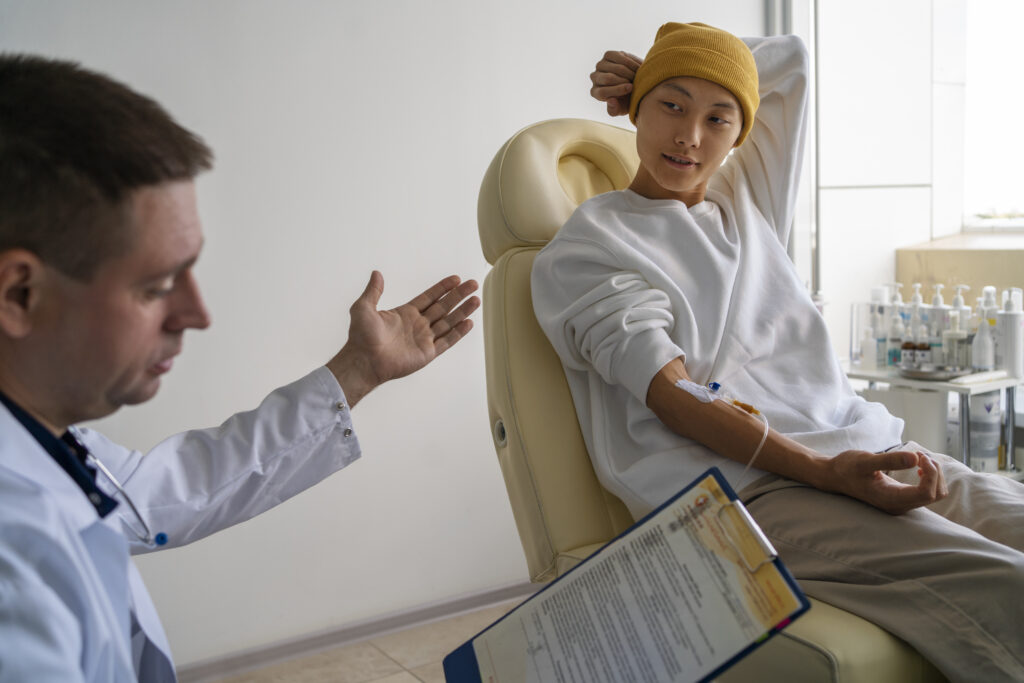
Cancer treatment options can feel overwhelming. Two common choices are chemotherapy and radiation. Chemotherapy uses strong medicines to kill cancer cells throu
Ovarian Cancer: Recognizing Early Warning Signs

Introduction Ovarian cancer can be hard to spot early. However, knowing the ovarian cancer early warning signs can make a big difference. Many women do not noti
Tumor Markers: Unlocking Early Cancer Detection

Introduction Tumor markers are special substances found in blood, urine, or tissues. They can help doctors find cancer early. In fact, tumor markers play a key