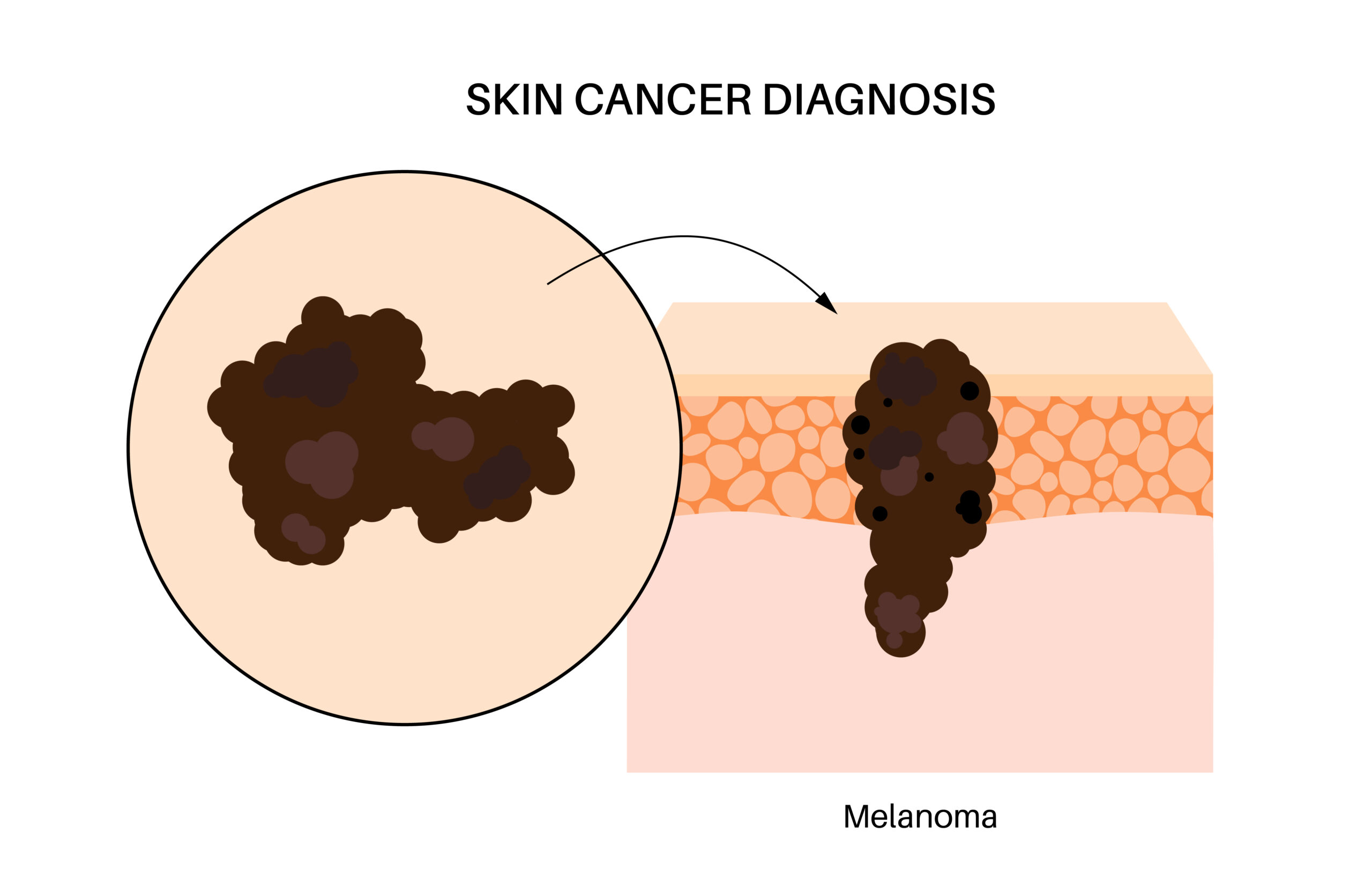
What Is Skin Cancer?
Skin cancer is a disease where skin cells grow abnormally. It often starts in areas exposed to the sun. However, it can also appear on skin not usually exposed. Early skin cancer recognition is important for better treatment results. According to the World Health Organization (WHO), skin cancer is one of the most common cancers worldwide.
Types of Skin Cancer
There are several types of skin cancer. But three main types are most common. Each type has different warning signs and risks.
Melanoma
Melanoma is the most serious type. It starts in the cells that give skin its color. Early signs of melanoma include new or changing moles. Melanoma can spread quickly, so early detection is key.
Basal Cell Carcinoma
Basal cell carcinoma is the most common type. It grows slowly and rarely spreads. Usually, it appears as a small, shiny bump or a pink growth.
Squamous Cell Carcinoma
Squamous cell carcinoma often looks like a red, scaly patch or a sore that does not heal. It can grow deeper into the skin if not treated.
Early Signs and Symptoms
Recognizing early signs of melanoma and other skin cancers can save lives. Look for these symptoms:
For example, the “ABCDE” rule helps spot melanoma warning signs:
Risk Factors and Causes
Some people have a higher risk of skin cancer. Knowing these risk factors can help with skin cancer prevention.
For instance, people who work outdoors or live in sunny areas face higher risks.
How to Perform Self-Examination
Regular self-exams help with early skin cancer recognition. Follow these steps once a month:
If you notice any changes, take a photo to track them. However, always see a doctor if you are unsure.
When to See a Doctor
It is important to see a doctor if you notice:
Early treatment can prevent skin cancer from spreading. Therefore, do not wait if you see warning signs.
Prevention Tips
While not all skin cancers can be prevented, you can lower your risk. Try these tips:
In addition, teach children about sun safety early.
If you have concerns about your skin, consult Dr. Kiran Kumar for personalized advice. Early action can make a big difference.