Introduction
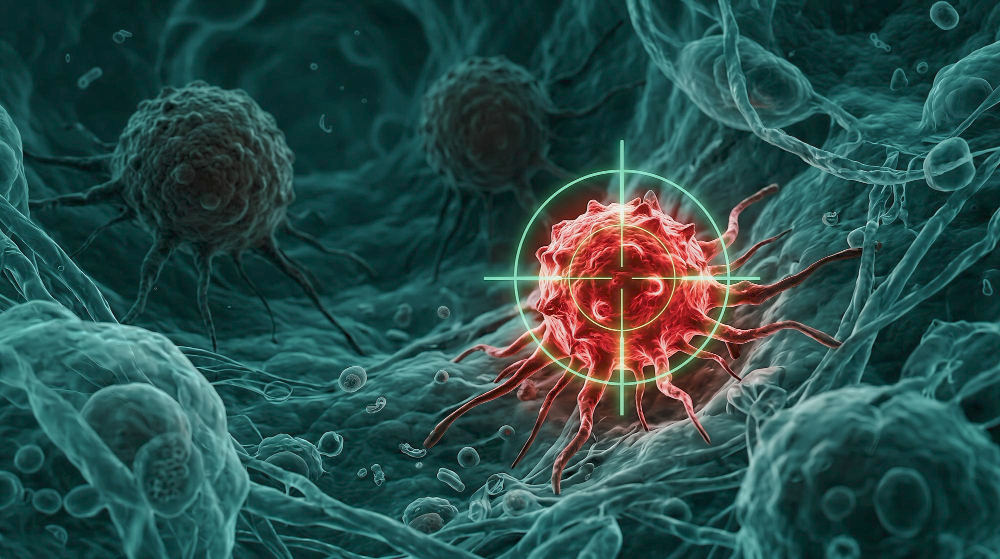
Targeted therapy in cancer treatment is changing how doctors fight cancer. Unlike older treatments, targeted therapy focuses on specific parts of cancer cells. As a result, it can attack cancer while leaving healthy cells mostly unharmed. This new approach is a big step forward in modern oncology. Because of targeted therapy, many patients now have more treatment options and hope for better results.
What Is Targeted Therapy?
Targeted therapy is a type of cancer treatment that uses drugs or other substances to find and attack cancer cells. Unlike chemotherapy, which affects both healthy and cancer cells, targeted therapy aims at unique features of cancer cells. For example, some targeted therapies block signals that help cancer cells grow. Others mark cancer cells so the immune system can destroy them. According to the National Cancer Institute, targeted therapy is a key part of precision medicine.
How Does Targeted Therapy Work?
First, doctors test the cancer to find changes in genes or proteins. These changes are called mutations. Next, they choose a targeted therapy that matches the cancer’s unique features. Because of this match, the therapy can block the growth and spread of cancer cells. In many cases, targeted therapy works best when combined with other treatments, such as chemotherapy or immunotherapy. This approach is often called personalized or precision medicine.
Types of Targeted Therapies
There are several types of targeted therapies used in cancer treatment. Each type works in a different way. Some common types include:
Because each cancer is different, doctors choose the therapy that fits best.
Benefits of Targeted Therapy Over Traditional Treatments
Targeted therapy offers many benefits compared to older cancer treatments. For example, it often causes fewer side effects. This is because it attacks only cancer cells, not healthy ones. In addition, targeted therapy can be more effective for certain cancers. Some key benefits include:
Because of these benefits, targeted therapy is now a main part of cancer care.
Common Side Effects and Risks
Although targeted therapy is often safer than chemotherapy, it can still cause side effects. However, these are usually milder. Some common side effects include:
In rare cases, targeted therapy can cause serious problems, such as liver issues or blood clots. Therefore, it is important to talk with your doctor about any side effects you notice. Early care can help manage most problems.
Who Can Benefit from Targeted Therapy?
Not all cancers respond to targeted therapy. However, many people with certain types of cancer can benefit. For example, targeted therapy is often used for:
Doctors use lab tests to find out if your cancer has the right targets. Because of this, you may need a biopsy or genetic test before starting treatment. If your cancer matches, targeted therapy could be a good choice.
Latest Advances and Future Directions
Targeted therapy is always improving. New drugs and treatment methods are being tested in clinical trials. For instance, researchers are finding new targets in cancer cells every year. In addition, combining targeted therapy with immunotherapy or chemotherapy is showing promise. According to the World Health Organization, these advances could help more patients live longer and better lives. As research grows, targeted therapy will likely become even more precise and effective.
Prevention and Lifestyle Guidance
While targeted therapy treats cancer, healthy habits can support your overall well-being. For example, eating a balanced diet, staying active, and avoiding tobacco can help your body stay strong during treatment. In addition, regular check-ups can catch problems early. Although lifestyle changes cannot replace treatment, they can make a positive difference in your recovery and quality of life.
Conclusion
Targeted therapy in cancer treatment marks a new era of precision and hope. Because it focuses on cancer’s unique features, it can offer better results and fewer side effects. If you or a loved one is facing cancer, consult cancer specialist DR Kiran Kumar to learn if targeted therapy is right for you.