What Is Liver Cancer?
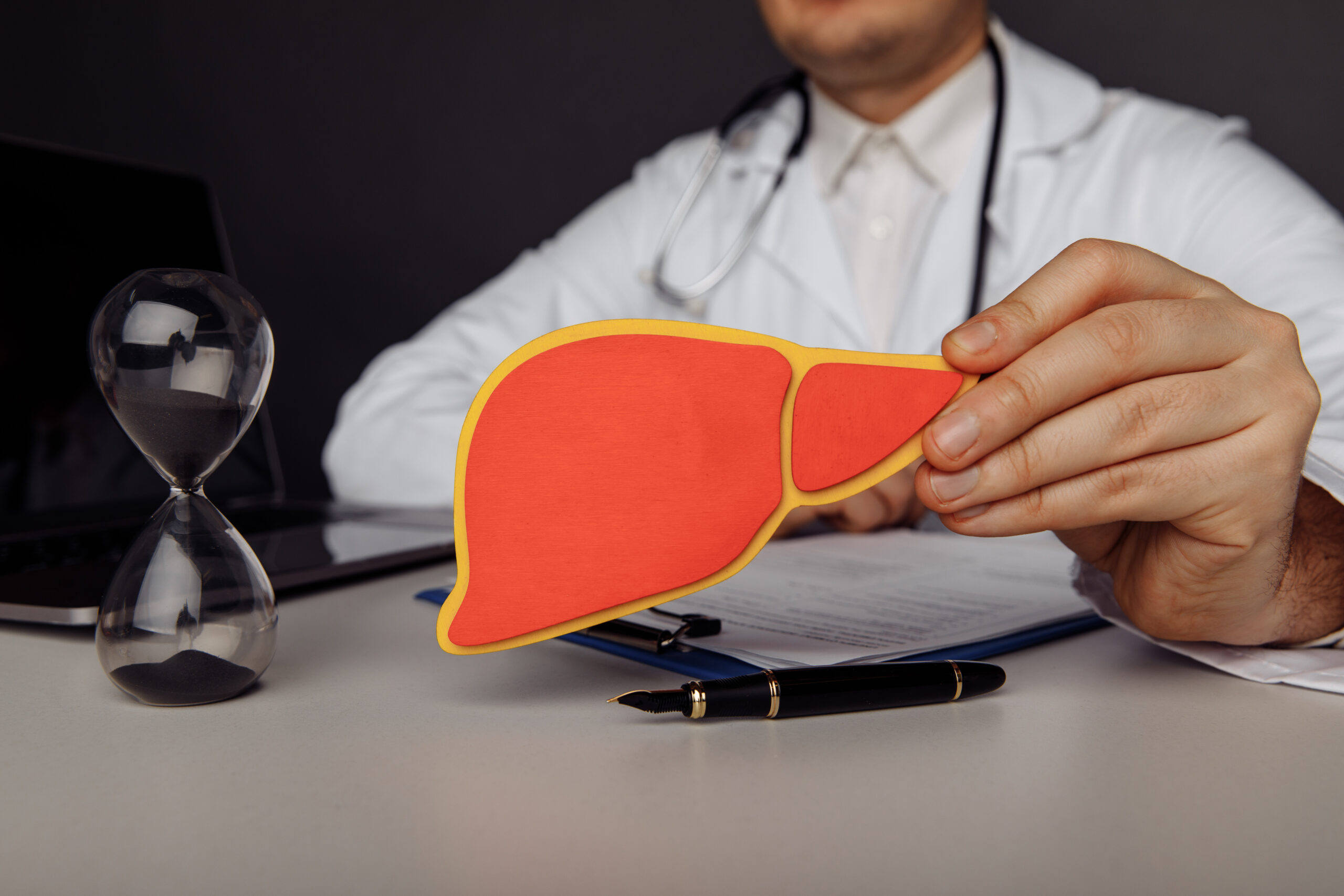
Liver cancer is a disease where cells in the liver grow out of control. The liver is a large organ in your body that helps clean your blood and digest food. In many cases, liver cancer starts in the liver itself. Sometimes, it can spread from other parts of the body. Worldwide, liver cancer is a major health concern. Early signs of liver cancer can be hard to notice, so regular check-ups are important.
Common Symptoms of Liver Cancer
Often, liver cancer does not cause symptoms at first. However, as the disease grows, you may notice changes. For example, you might feel tired or lose weight without trying. Here are some common symptoms:
If you notice any of these signs, it is wise to talk to your doctor. Early detection can help improve treatment outcomes.
Major Causes and Risk Factors
Liver cancer can happen for many reasons. Some people have a higher risk than others. For instance, long-term infection with hepatitis B or C viruses can increase your risk. Here are some major causes and risk factors:
Because some risks can be controlled, making healthy choices may help lower your chances of getting liver cancer.
How Liver Cancer Is Diagnosed
Doctors use several tests to find liver cancer. First, they may ask about your symptoms and medical history. Next, they might do a physical exam. To confirm the diagnosis, doctors often use:
Early diagnosis is important. Therefore, if you have risk factors, regular screening may help catch liver cancer sooner.
Treatment Options for Liver Cancer
Treatment for liver cancer depends on the stage of the disease and your overall health. In many cases, doctors use a team approach. Here are some common liver cancer treatment options:
Your doctor will help you choose the best treatment plan. New treatments are being studied to improve outcomes for people with liver cancer.
Tips for Prevention and Healthy Living
Although not all cases can be prevented, you can lower your risk. For example, getting vaccinated against hepatitis B helps protect your liver. Here are some tips for preventing liver cancer and staying healthy:
By making these choices, you support your liver and overall health.
When to See a Doctor
If you notice early signs of liver cancer, such as yellowing skin, belly pain, or sudden weight loss, see a doctor right away. Also, if you have risk factors like hepatitis or a family history, regular check-ups are important. Early action can make a big difference in treatment success.
For personalized advice on liver cancer, consult Dr. Kiran Kumar. Early care and healthy habits can help protect your liver and improve your overall well-being.