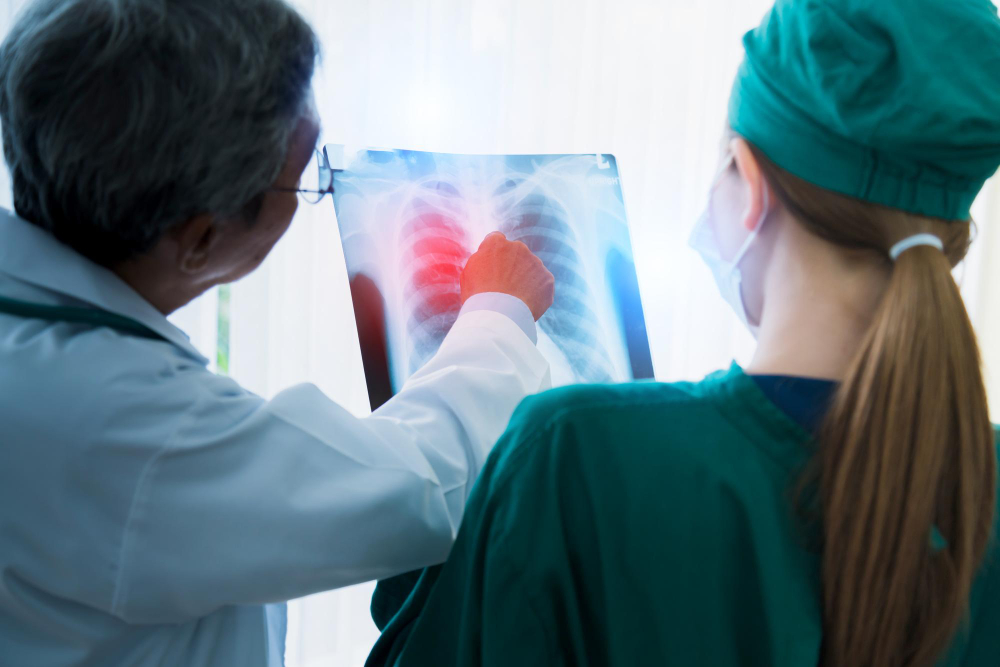
What is Thoracic Cancer?
Thoracic cancer is a term for cancers that start in the chest area. This includes cancers of the lungs, esophagus, and the lining around the lungs. Often, people use the term to talk about lung cancer, but it can mean other chest cancers too. According to the World Health Organization (WHO), thoracic cancers are among the most common types worldwide. Because the chest holds important organs, early care is very important. For many, learning about thoracic cancer helps them spot problems sooner.
Common Symptoms of Thoracic Cancer
Many symptoms of thoracic cancer can seem like other, less serious problems. However, knowing these signs can help you seek help early. For example, some symptoms may start mild and get worse over time.
Sometimes, these symptoms can be caused by other health issues. Still, if you notice them, it is wise to talk to your doctor.
Causes and Risk Factors
Several things can raise your risk of thoracic cancer. While some risks can be changed, others cannot. For instance, lifestyle choices play a big role.
Even though you cannot change your age or family history, you can lower risk by avoiding tobacco and harmful chemicals.
How Thoracic Cancer is Diagnosed
Doctors use several tests to find out if someone has thoracic cancer. Early diagnosis can help improve treatment results. For example, your doctor may start with a physical exam and questions about your symptoms.
Because some tests are more detailed, your doctor will choose the best ones for your situation. Always ask questions if you are unsure about any test.
Treatment Options for Thoracic Cancer
There are several thoracic cancer treatment options. The choice depends on the type, stage, and your overall health. For many, treatment plans are made by a team of doctors.
Sometimes, doctors use more than one treatment at the same time. While side effects can happen, your care team will help manage them.
Lifestyle Tips for Patients
Living with thoracic cancer can be challenging. However, certain habits can help you feel better during treatment. For example, eating healthy foods gives your body strength.
Because stress can affect your health, try relaxation techniques like deep breathing or gentle walks.
Prevention and Early Detection
While not all thoracic cancers can be prevented, some steps lower your risk. For instance, quitting smoking is the most effective way to protect your lungs.
Because early detection improves outcomes, talk to your doctor about screening if you are at higher risk.
Conclusion
If you have questions about thoracic cancer or notice any symptoms, reach out to DR Kiran Kumar. Our team is here to guide you through diagnosis and discuss the best treatment options for your needs.