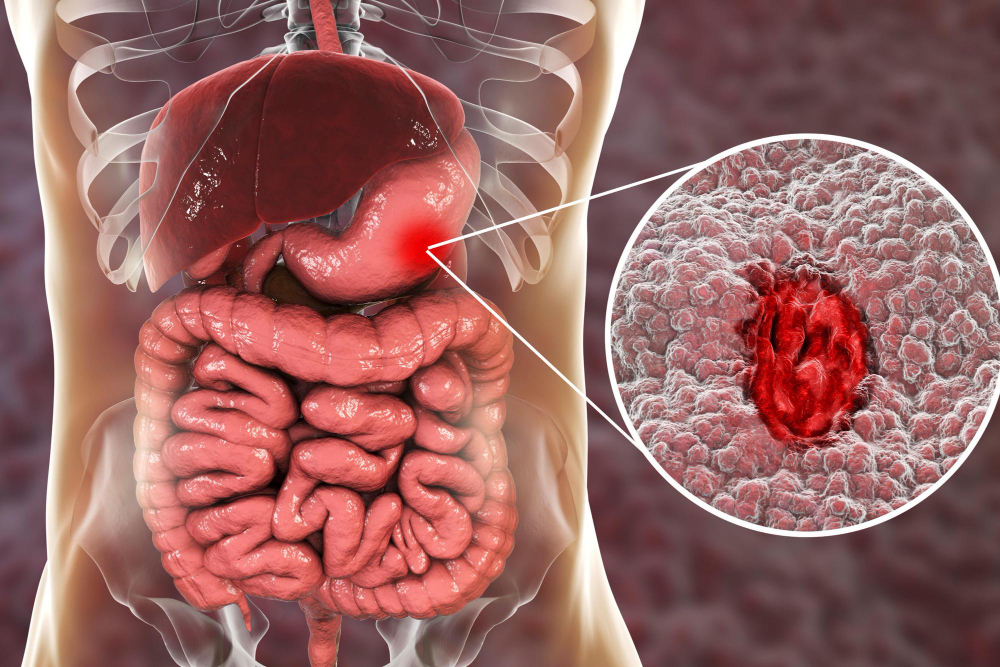
What Is GI Cancer and Why Are Symptoms Important?
GI cancer stands for gastrointestinal cancer. It affects parts of your digestive system, like the stomach, colon, or esophagus. Because these cancers can be serious, knowing GI cancer symptoms is very important. Early signs of GI cancer can be easy to miss. However, spotting them early can help you get treatment sooner. According to the World Health Organization, early detection saves lives. For this reason, it is good to learn about digestive cancer warning signs.
Unexplained Weight Loss
First, sudden weight loss can be a sign of GI cancer. If you lose weight without trying, it may be a warning. This happens because cancer can change how your body uses energy. For example, you may eat the same amount but still lose weight. Often, people ignore this symptom. Yet, unexplained weight loss is one of the key symptoms of gastrointestinal cancer. You should not overlook it, especially if it continues for weeks.
Persistent Abdominal Pain or Discomfort
Next, ongoing pain or discomfort in your belly area can signal a problem. While many things can cause stomach pain, pain that does not go away should be checked. Sometimes, the pain feels dull. Other times, it may be sharp or crampy. In some cases, it gets worse after eating. Because GI cancers can grow in the digestive tract, they may press on nearby organs. Therefore, do not ignore belly pain that lasts more than a few days.
Changes in Bowel Habits
Another early sign of GI cancer is a change in how you go to the bathroom. For instance, you may notice diarrhea, constipation, or thinner stools. Sometimes, you may feel you cannot empty your bowels fully. These changes can last for weeks. Because many people have stomach upsets, it is easy to ignore these digestive cancer warning signs. Still, ongoing changes in bowel habits are a reason to see a doctor.
Blood in Stool or Vomit
Blood in your stool or vomit is never normal. Sometimes, the blood is bright red. Other times, it looks dark or black, making the stool look tarry. This can be a sign of bleeding in the digestive tract. Although other conditions can cause bleeding, GI cancer is one possible cause. For this reason, you should always tell your doctor if you see blood. Early signs of GI cancer often include this symptom.
Difficulty Swallowing or Ongoing Indigestion
Finally, trouble swallowing or constant indigestion can point to GI cancer. You may feel food gets stuck in your throat or chest. Sometimes, you may have heartburn that does not go away. Because these symptoms can be mild at first, people may ignore them. However, ongoing swallowing problems or indigestion should not be overlooked. These are important symptoms of gastrointestinal cancer, especially in older adults.
When to Seek Medical Advice
If you notice any of these GI cancer symptoms, it is wise to talk to your doctor. While many of these signs can have other causes, it is important not to wait. For example, if symptoms last more than two weeks, seek help. Additionally, if you see blood in your stool or vomit, contact a doctor right away. According to the CDC, early signs of GI cancer should always be checked. Getting help early can make a big difference in your health.