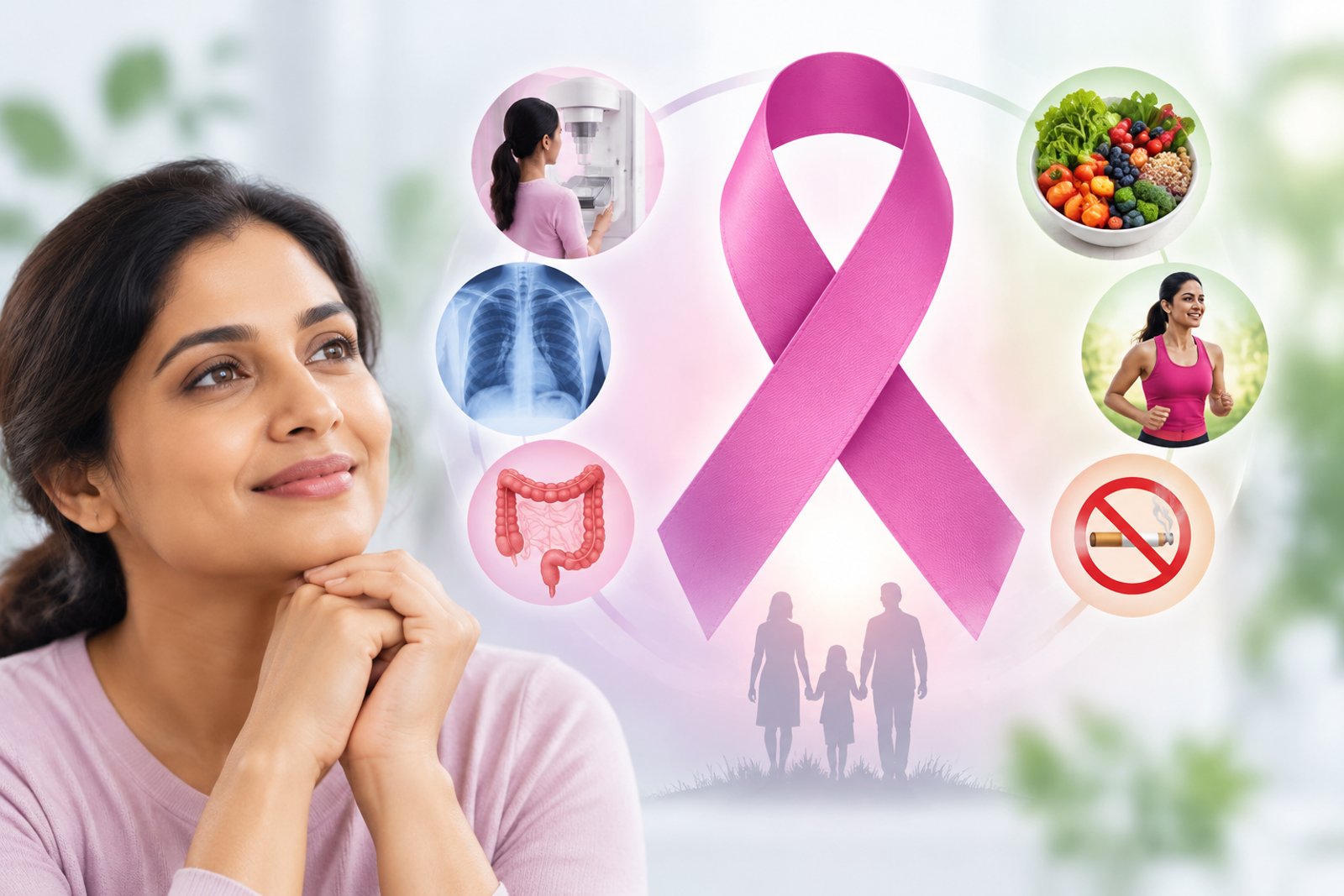
What Is Cancer Prevention?
Cancer prevention means taking steps to lower your risk of getting cancer. Many people want to know how to protect themselves and their families. For this reason, experts share tips on healthy habits and early detection. Cancer prevention includes making smart choices every day. You can eat healthy foods, stay active, and avoid harmful substances. According to the World Health Organization (WHO), about one-third of cancer cases can be prevented by healthy living.
The Importance of Early Detection
Early detection means finding cancer before it spreads. When cancer is found early, treatment often works better. In fact, the Centers for Disease Control and Prevention (CDC) say early detection saves lives. For example, regular screenings help doctors spot changes in your body. Because of this, you have a better chance of recovery. Early detection also means fewer side effects from treatment. Therefore, it is important to talk to your doctor about regular check-ups.
Common Early Warning Signs of Cancer
Sometimes, cancer causes changes in your body. While these signs do not always mean cancer, you should not ignore them. For instance, you may notice:
If you see any of these warning signs, you should speak with a healthcare provider. Sometimes, early action makes a big difference.
Recommended Screening Tests for Early Detection
Doctors use screening tests to find cancer early. These tests check for cancer before you have symptoms. For example, common screening tests include:
Because each person is different, your doctor may suggest other tests. In many cities, local clinics and hospitals offer these screenings. Therefore, you should ask your doctor which tests are right for you and how often you need them.
Healthy Habits That Lower Cancer Risk
Healthy habits play a big role in cancer prevention. Even small changes can make a difference. For example, you can:
Because these habits support your body, they help lower your cancer risk. The American Cancer Society recommends these steps for everyone, no matter where you live.
Lifestyle Changes for Cancer Prevention
Sometimes, making lifestyle changes feels hard. However, small steps can lead to big results. For instance, you can start by walking more each day. Next, you might add more vegetables to your meals. Over time, these changes become part of your routine. In addition, you can:
Because healthy habits add up, you can lower your cancer risk over time. Many people find support from friends, family, or local health groups.
Myths and Facts About Cancer Prevention
Many myths about cancer prevention can cause confusion. For example, some people believe that only family history matters. However, most cancers are linked to lifestyle and environment. In addition, some think that cancer cannot be prevented. Yet, experts say healthy habits and screenings do help. Here are some facts:
Early awareness and timely screening can make a difference. Consult Dr. Kiran Kumar for expert guidance.