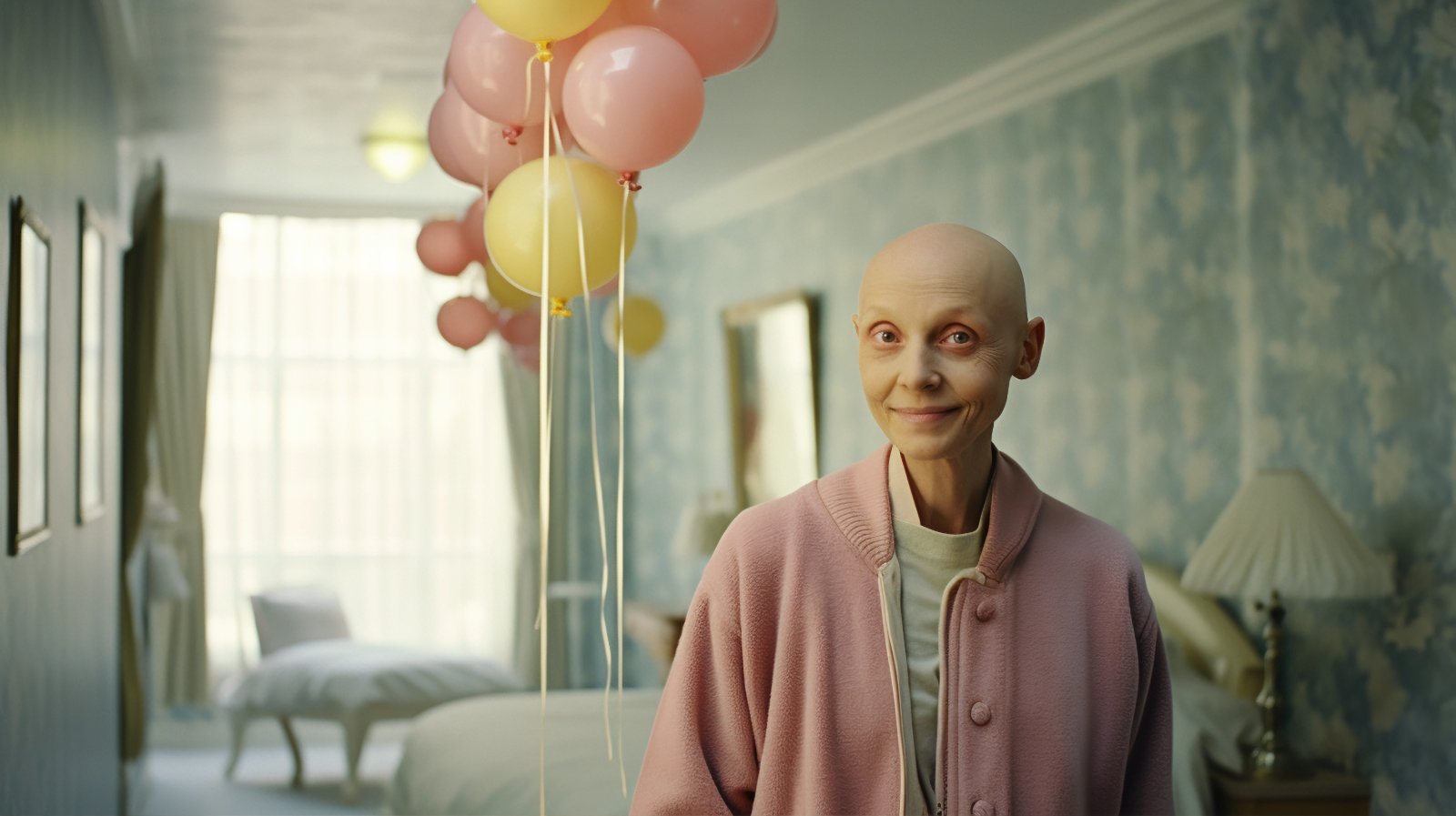
What Is Cancer Survivorship?
Cancer survivorship means living after cancer treatment ends. Many people wonder what comes next. For some, finishing treatment brings relief. However, it can also bring new worries. Cancer survivorship covers physical, emotional, and social changes. It includes life after cancer treatment, ongoing care, and support.
Common Physical and Emotional Challenges After Treatment
After treatment, many survivors face new challenges. For example, you may feel tired or weak. Sometimes, pain or numbness can last for months. In addition, some people notice changes in memory or focus. Emotional changes are also common. You might feel anxious about the cancer coming back. Or, you may feel sad or worried about the future. It helps to know these feelings are normal. Talking to others can make a big difference.
Long-Term Health Monitoring and Follow-Up Care
After cancer treatment, regular check-ups are important. These visits help your doctor watch for any signs of cancer coming back. Also, your doctor may check for late side effects from treatment. For example, some treatments can affect your heart or other organs. Because of this, follow-up care is key for long-term health. They may also suggest tests or scans as needed.
Lifestyle Changes for Better Recovery
Healthy habits can help you feel better and lower your risk of cancer coming back. For instance, eating a balanced diet gives your body the nutrients it needs. Regular exercise can boost your mood and energy. In addition, taking care of your mental health is just as important. Many survivors find that small changes make a big difference.
Tips for Returning to Daily Life and Work
Going back to daily life after cancer can feel overwhelming. However, taking small steps can help. Start by setting simple goals each day. If you plan to return to work, talk to your employer about your needs. Some people may need a flexible schedule at first. Remember, it is okay to ask for help from family or friends. Over time, many survivors find their own pace and routine.
Prevention of Recurrence and Ongoing Self-Care
While no one can promise cancer will not return, you can take steps to lower your risk. For example, avoid smoking and limit alcohol. Also, keep a healthy weight and stay active. Regular check-ups help catch any problems early. In addition, knowing your body and reporting changes to your doctor is important. Ongoing self-care supports your health and well-being.
Summary
Cancer survivorship is about rebuilding your health and well-being after treatment. Regular follow-ups, healthy lifestyle choices, and emotional support play a vital role in recovery, helping survivors lead healthier and more fulfilling lives.
Your journey doesn’t end with cancer treatment. Consult Dr. Kiran Kumar for expert survivorship care, personalized follow-up, and long-term support every step of the way.