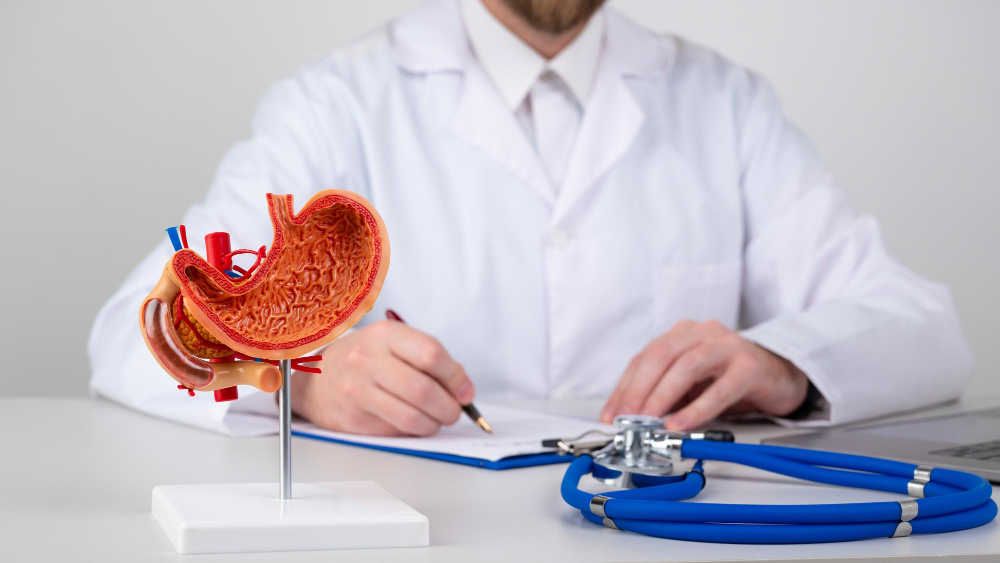
What is Stomach (Gastric) Cancer?
Stomach cancer, also called gastric cancer, is a disease where cells in the stomach grow out of control. The stomach is an organ in your belly that helps digest food. When cancer starts here, it can spread to other parts of the body if not treated early. According to the World Health Organization (WHO), stomach cancer is one of the most common cancers worldwide. Early detection can make treatment more effective. Therefore, knowing the signs and risks is important for everyone.
Causes of Stomach Cancer
Many factors can increase the risk of stomach cancer. While not everyone with these risks will get cancer, knowing them can help you stay aware. Some common causes include:
However, having one or more of these factors does not mean you will get stomach cancer. But it is wise to talk to your doctor if you are concerned.
Common Symptoms
Stomach cancer symptoms can be hard to notice at first. Often, they are similar to other common stomach problems. Still, you should see a doctor if you have any of these symptoms for more than a few weeks:
Because these signs can be caused by many things, it is important to get checked. Early diagnosis can improve treatment outcomes.
Diagnosis
Doctors use several tests to find out if someone has stomach cancer. If you have symptoms, your doctor may suggest:
So, if you are wondering how stomach cancer is diagnosed, these are the main steps. Your doctor will explain which tests are best for you.
Treatment Options
Treatment for gastric cancer depends on the stage and your overall health. Your doctor will discuss the best plan for you. Common treatment options include:
Sometimes, doctors use more than one treatment. For example, you may have chemotherapy before or after surgery. Each person’s plan is unique, so ask your doctor about your options.
Prevention & Lifestyle Tips
While you cannot prevent all cases of stomach cancer, you can lower your risk. Here are some helpful tips:
In addition, regular check-ups can help find problems early. If you have a family history of stomach cancer, talk to your doctor about your risk.
Conclusion
Stomach cancer can be serious, but early detection and treatment can make a big difference. If you notice any symptoms or have concerns, do not wait. Consult a healthcare specialist DR Kiran Kumar for personalized advice on stomach cancer.